
Cargo and warehouse theft is no longer a marginal issue but a boardroom crisis. In the US, supply chain theft spiked by 27% in 2024, hitting a record 3,625 documented incidents, with warehouses and distribution centers accounting for one in three cases. Major logistics hotspots like California and Texas saw theft rates surge by over 30%, turning warehouse security into a top operational priority. Nationwide, the total economic impact of cargo theft is estimated at up to $35 billion annually, driving up insurance premiums and inflating consumer prices.
The threat is equally severe in Europe. Cargo and warehouse theft soared by 438% in just three years, costing businesses over €8.2 billion per year and shifting the focus toward high-value items like electronics, pharmaceuticals, and automotive parts. Germany, Italy, France, Spain, and the UK are among the hardest-hit markets, with organized criminal groups leveraging both insider access and sophisticated scams to evade traditional security.
I’ve been in conversations with a few companies across Asia and Europe who have witnessed significant incidents of scrap and finished goods theft from within their factories and feel the urgency to do something about it.
According to a 2024 global report from BSI Consulting, two fifths (41%) of all global thefts occurred in-transit, 21% from warehouses, 4% at unsecured roadside parking, and 4% from parking lots. Geographically, hotspots included Brazil, Mexico, India, the United States, Germany, Chile, and South Africa, with the highest number of incidents reported in the first and last quarters of the year.
This is just reported data. Many companies might be reluctant to report thefts for fear of increased insurance premiums or damaging their reputation in a competitive market, complicating efforts to accurately gauge the problem and respond effectively. If anything, the size of the problem is likely to be underestimated.
| Region | Annual Losses | 2024 Change / Trend | Top Targeted Goods |
|---|---|---|---|
| US | $35 billion | +27% incidents (projected for 2024) | Electronics, Sporting Goods, Food & Beverages, Alcohol, Parcels |
| Europe | €8.2 billion | +438% in 3 years | Food, Pharma, Automotive |

Warehouses: High-Risk and High-Impact
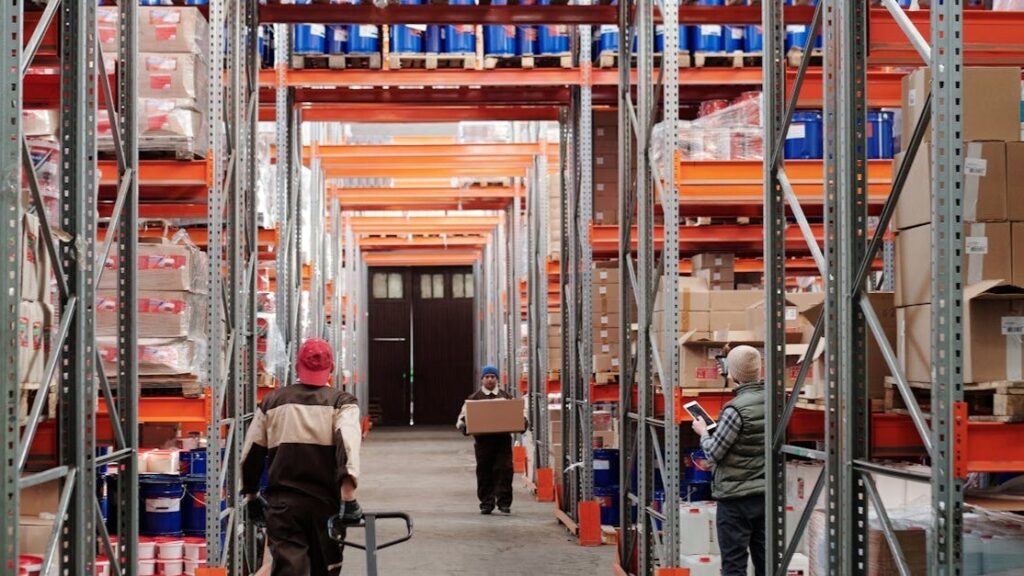
Warehouses remain prime targets, with nearly 20-30% of all cargo theft incidents occurring inside storage facilities. The rise of sophisticated criminal tactics—including cyber fraud, identity theft, and double brokering—makes legacy locks and basic CCTV increasingly ineffective. Such losses can devastate small carriers and manufacturers, not just through lost goods but also reputational damage and disrupted supply chains.
In Europe warehouses were the most targeted locations, accounting for 41% of all incidents. Countries such as Germany, the United Kingdom, Italy, Spain, and France experienced the highest rates of theft, with parked vehicles in unsecured rest areas and poorly secured warehouses serving as primary targets.
But while warehouses are particularly vulnerable, thieves didn’t limit themselves – parking lots and secured yards were also prime targets.

How AI Redefines Security
AI offers a new paradigm for theft prevention:
- Real-time Object Tracking: Continuously monitors inventory and valuable items, detecting transfers, tampering, and unauthorized movements on the spot. With availability of high res cameras, AI can track how many boxes were loaded onto a truck, what the serial numbers were, what the average loading time was (and if there were any deviations) and whether the truck was properly sealed or not. AI can track parking lots and movement of vehicles in and out.
- Intruder Detection: Smart analytics flag suspicious behavior, like unauthorized access or lingering near high-value zones, reducing response time from hours to seconds.
- No-Go Zones and Time controls: You can set no-go zones and do-not-cross virtual lines or ask for alerts outside of working hours.
- OCR can be used to quickly digitise documents and reconcile them with backend systems.
- Automated Alerts: Instant notifications to security teams prevent opportunistic theft before losses escalate.
- Reduced Human Error: AI never gets distracted, tired, or overwhelmed, optimizing both security coverage and manpower allocation.
If a theft does occur, the video footage becomes a critical weapon for law enforcement.

Deployments of AI security have proven to cut theft-related losses by over 50% in just six months, generating millions in saved inventory and insurance claims at logistics hubs. Warehouses using proactive, AI-driven surveillance report not only lower incident rates but also streamlined operations and improved trust with partners and insurers.